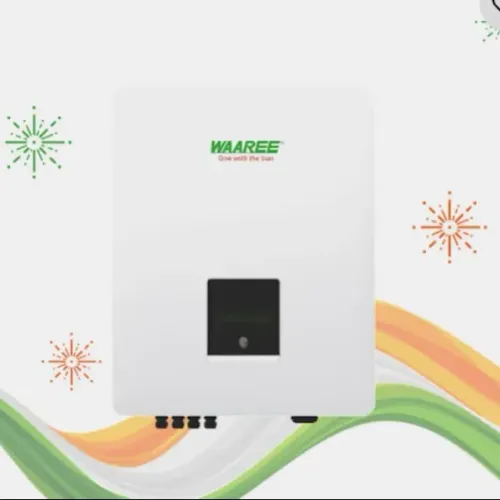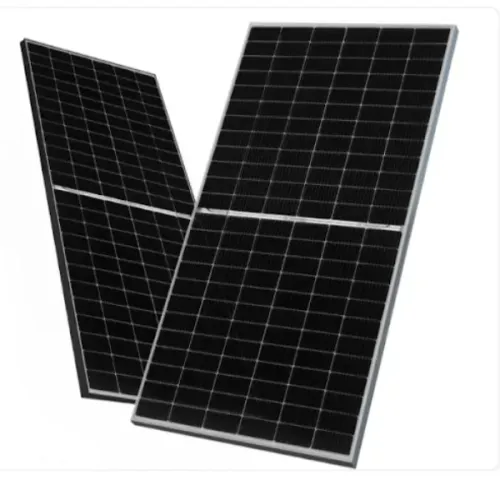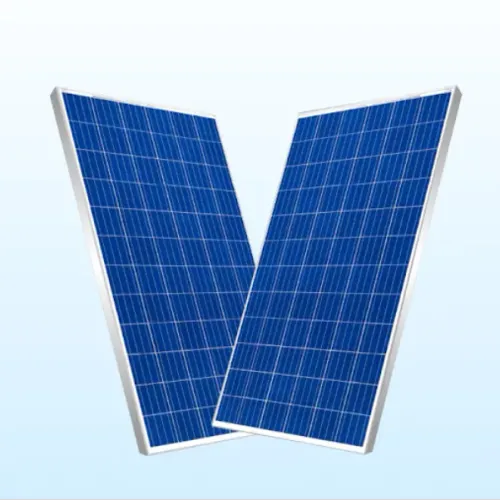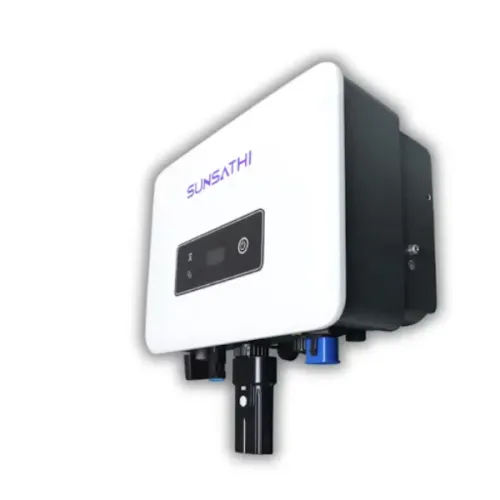
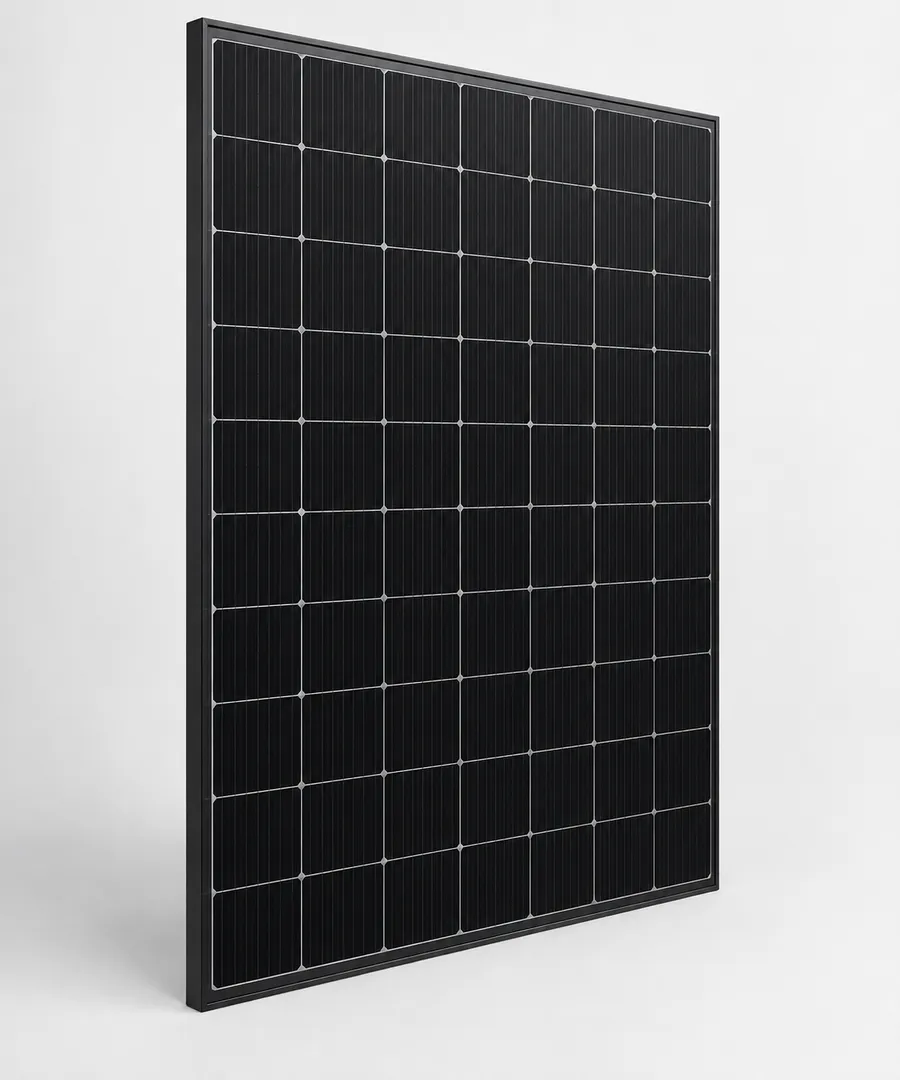
A Monocrystalline Solar Panel is commonly selected for modern rooftop solar systems because it can provide relatively high conversion efficiency within a limited installation area. This characteristic is particularly useful for homes, offices, commercial buildings, plus other properties where usable rooftop space is valuable.
However, efficiency alone should not determine the purchase. A good module choice needs to fit the complete solar system.
Why Monocrystalline Technology Is Popular
Monocrystalline cells are produced using single-crystal silicon material.
This cell structure supports efficient conversion of sunlight into electricity, allowing manufacturers to produce modules with strong output ratings within practical dimensions.
For property owners, the main advantage is straightforward: higher module efficiency can help fit more generating capacity into a constrained roof area.
This does not mean every monocrystalline panel has the same performance. Module design, cell technology, manufacturer specifications, temperature behaviour, plus other factors create meaningful differences between products.
Limited Rooftop Area Changes the Decision
Imagine two properties requiring a similar solar capacity.
One has a large open industrial roof. The other has a smaller roof containing water tanks, staircases, plus shaded sections.
The second property has less usable module area. Higher-output panels may therefore help achieve a more useful system capacity within the available space.
This makes roof mapping an important step before module selection.
Consider Nagpur's Operating Conditions
Solar modules operate outdoors throughout the year. Nagpur's hot conditions make temperature performance relevant when comparing panel specifications.
Solar module output is measured under standardized test conditions, while real rooftop conditions vary. Higher cell temperatures can affect output, with the extent indicated partly by the module's temperature coefficient.
Buyers should therefore avoid assuming that rated wattage represents constant real-world output throughout every daylight hour.
Dust can also accumulate on exposed module surfaces. Suitable cleaning practices plus safe rooftop access should be considered during system planning.
Review More Than Efficiency
Before purchasing a monocrystalline module, compare:
- Rated power output
- Module efficiency
- Temperature coefficient
- Voltage
- Current
- Dimensions
- Weight
- Mechanical specifications
- Product warranty
- Performance warranty
For contractors plus solar installers, electrical specifications are particularly important because they affect string sizing plus inverter compatibility.
Match Modules With the Inverter
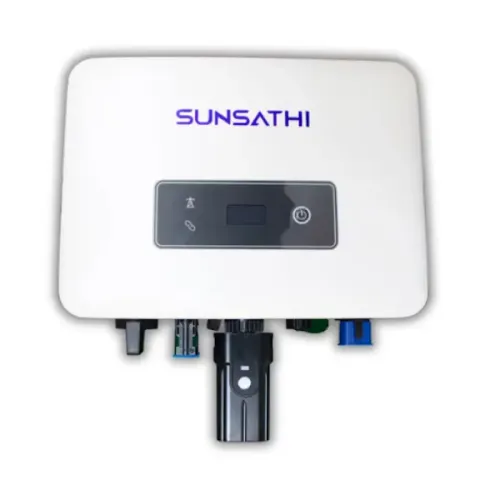
Solar panels plus inverters should be selected as parts of the same system.
The number of panels in each string affects DC voltage. Module current must also remain compatible with the inverter's input specifications.
Modern high-output modules can have different electrical characteristics from older panel generations. Simply connecting panels to an available inverter without checking its limits can create design problems.
Consider Lifetime Value
The purchase price of a module is only one part of solar economics.
A higher-efficiency product may be particularly valuable where roof space limits the total system capacity. On a very large roof, other project factors may carry greater weight.
The appropriate comparison is therefore based on cost, usable area, installed capacity, expected generation, warranty, plus complete balance-of-system requirements.
Solar Trees provides solar panels plus inverter solutions for residential, commercial, plus industrial projects. Customers can evaluate module options according to their roof conditions plus intended system capacity rather than relying only on generic product categories.
A Monocrystalline Solar Panel is especially worth considering when efficient use of available installation space is a priority. A site-specific assessment, technical specification review, plus compatible system design can help determine whether it provides the right balance for the project.
Keywords