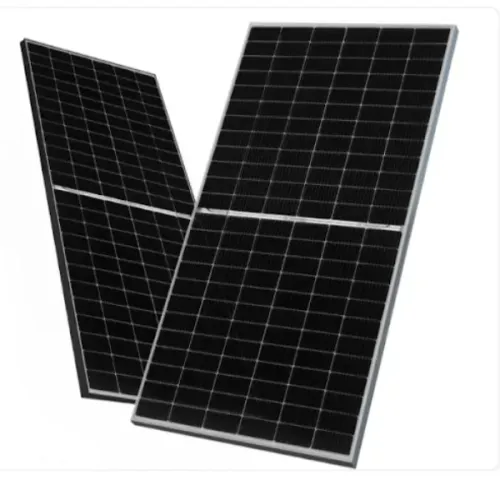
A Polycrystalline Solar Panel remains a familiar option for customers evaluating solar installations where available area, project budget, required capacity, plus module specifications must be balanced carefully.
Although newer panel technologies have become increasingly prominent, polycrystalline modules can still be encountered in existing installations plus selected new project requirements. Buyers should understand their characteristics before deciding whether they fit a particular application.
Understand the Technology First
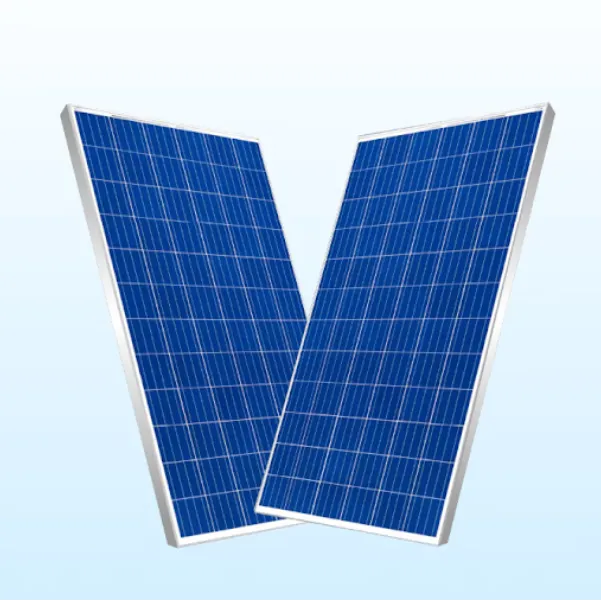
Polycrystalline solar cells are manufactured using multiple silicon crystal fragments.
Their appearance is commonly associated with a bluish cell surface, although visual characteristics can vary between products. The manufacturing approach historically helped make polycrystalline technology widely accessible across residential, commercial, plus larger solar applications.
The important question for a buyer is not whether the technology is older or newer. It is whether the specific module's specifications fit the proposed project.
Compare Available Roof Area
Space availability has become an important consideration as higher-efficiency panel technologies enter the market.
If a rooftop has limited usable area, a higher-efficiency module may allow greater installed capacity within the same space. Where a property has a large unobstructed roof, the efficiency difference may have a different impact on the project decision.
Before purchasing, calculate usable roof area after considering:
- Shading
- Access pathways
- Water tanks
- Roof structures
- Maintenance space
- Module dimensions
- Mounting layout
For properties in Nagpur, rooftop assessment should also account for dust exposure plus practical access for periodic module cleaning.
Check Wattage Rather Than Appearance
Two panels using similar technology can have different rated outputs.
Buyers should review module wattage, efficiency, voltage, current, dimensions, temperature coefficient, plus warranty details.
Panel output also needs to be considered alongside the selected inverter. Electrical string design should remain within the inverter's supported voltage plus current limits.
This is particularly important when adding modules to an existing solar installation, where compatibility may be more complex.
Consider Long-Term Availability
When selecting modules for a new project, think about future servicing plus expansion.
Solar modules typically have long expected operating lives. If the project may be expanded later, obtaining identical modules years afterward may not always be possible because product ranges evolve.
Expansion planning should therefore consider inverter capacity, electrical design, available roof area, plus potential future module compatibility.
Avoid Choosing Only by Price Per Panel
A low individual panel price does not necessarily produce the lowest overall project cost.
The relevant comparison should include output per module, required number of panels, mounting structure, installation area, cabling, inverter compatibility, plus expected energy production.
For example, if lower-output modules require significantly more roof area plus additional mounting components to reach a particular system capacity, the initial panel price tells only part of the story.
Ask for Technical Documentation
Before finalizing a module, request the relevant datasheet plus warranty information.
Review the manufacturer's stated specifications rather than relying only on a verbal description. This helps contractors, installers, property owners, plus commercial buyers verify that the module fits the intended system.
Solar Trees supplies solar energy products for customers evaluating different technologies plus project capacities. A product discussion can help identify whether polycrystalline modules remain appropriate for the proposed installation or whether another module technology better fits the available space plus output requirement.
A Polycrystalline Solar Panel should be selected through practical comparison rather than assumptions based on technology name alone. Evaluate roof area, module output, efficiency, inverter compatibility, warranty terms, plus complete project economics before making the final choice.
Keywords