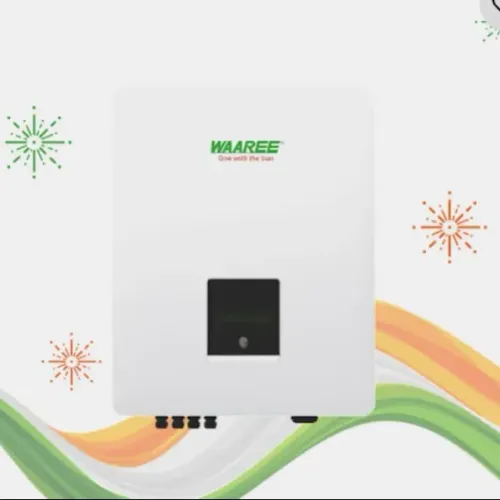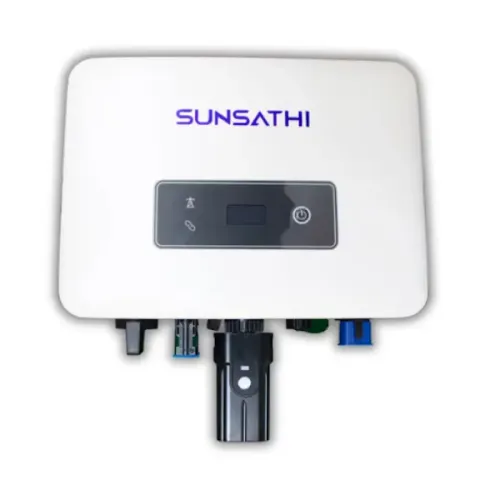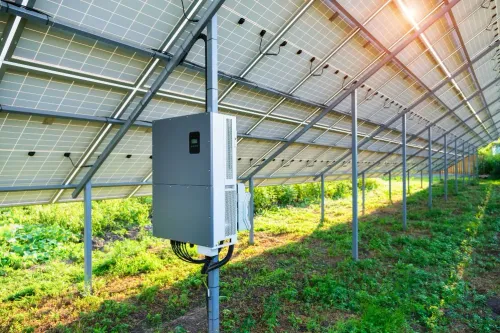
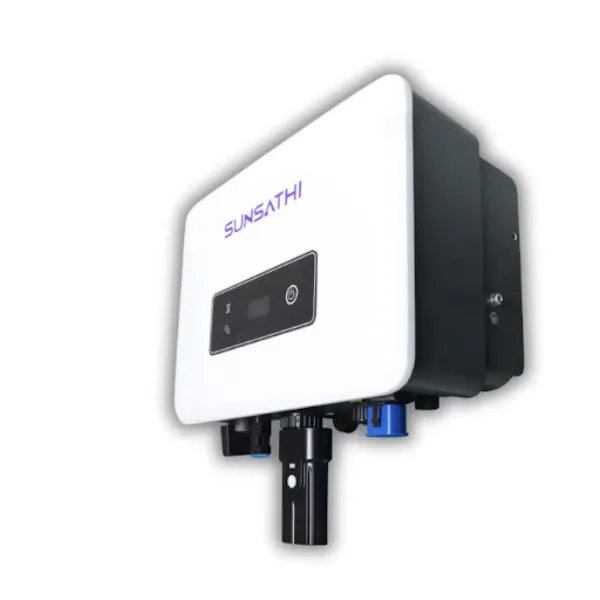
A Single Phase Grid Tie Inverter is widely associated with smaller grid-connected rooftop solar installations. It converts electricity generated by solar panels into AC electricity synchronized with a compatible single-phase grid connection.
For homeowners plus small commercial property owners exploring rooftop solar, understanding this equipment can make system planning much easier.
Where Is a Single-Phase Inverter Used?
Single-phase grid-tied inverters are generally considered where the property has a suitable single-phase electrical connection plus the proposed solar capacity fits the relevant technical requirements.
Potential applications include:
- Individual homes
- Small offices
- Clinics
- Retail premises
- Small establishments
- Low-capacity rooftop projects
The presence of a single-phase connection does not automatically determine the complete solar design. Proposed capacity, local requirements, sanctioned load, roof conditions, plus distribution infrastructure should also be checked.
How Does Grid-Tied Operation Work?
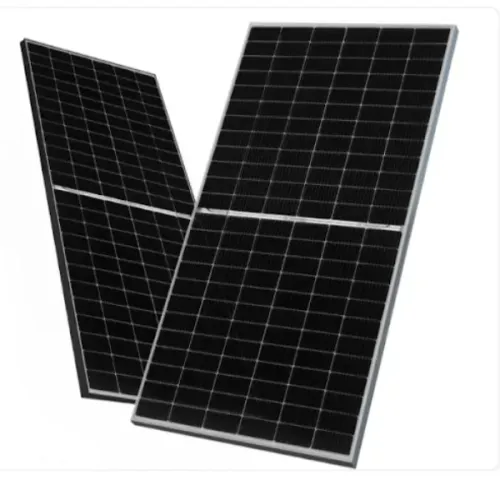
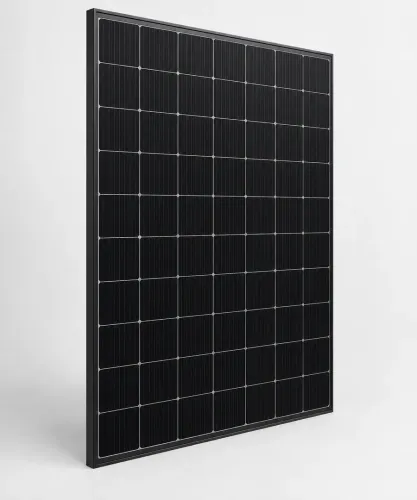
During daylight hours, solar panels produce DC electricity.
The inverter converts this DC electricity into AC electricity that can be used within the property's electrical system, subject to the design of the installation. Grid-connected systems may also be configured according to applicable metering plus export rules.
Solar generation varies through the day because it depends on sunlight availability, module temperature, shading, dirt accumulation, plus other conditions.
The inverter continuously manages conversion as the solar array's operating conditions change.
What Should Buyers Check?
A useful inverter evaluation should include more than its stated kW capacity.
Check specifications such as:
- Maximum DC input voltage
- MPPT voltage range
- Number of MPPT trackers
- Maximum input current
- Rated AC output
- Conversion efficiency
- Monitoring options
- Protection functions
- Warranty terms
- Environmental protection rating
These details help determine whether the equipment is compatible with the selected modules plus intended installation.
Rooftop Conditions Matter
Nagpur receives substantial sunshine across much of the year, making rooftop solar relevant to many property owners. However, sunshine alone does not guarantee that every roof is equally suitable.
Nearby buildings, water tanks, trees, antennas, plus rooftop structures can create shading. Roof orientation plus available area also influence module placement.
A proper site assessment can identify these issues before equipment is ordered.
Think About Future Electricity Demand
Solar installations are often planned using current electricity bills, but future requirements can also matter.
A household may later add air-conditioning, electric appliances, home-office equipment, or other loads. A small business may expand its operating hours or add equipment.
Future changes do not mean the solar system should automatically be oversized. They should simply be discussed during planning so the selected design reflects realistic expectations.
Installation Quality Is Critical
Inverter performance depends partly on its installation environment.
The unit should be installed in an appropriate location with suitable ventilation plus protection according to manufacturer requirements. DC cables, AC cables, connectors, earthing, isolators, surge protection, plus other system components should be selected correctly.
Qualified installation is particularly important because rooftop solar combines DC generation with grid-connected electrical equipment.
Solar Trees assists customers evaluating solar panels, solar inverters, plus related energy solutions for different property types. Matching the inverter with the modules plus electrical connection helps create a more coherent system.
A Single Phase Grid Tie Inverter can provide an effective foundation for a suitable smaller on-grid solar installation. The best results begin with accurate system sizing, compatible equipment, proper electrical design, plus attention to actual rooftop conditions rather than simply purchasing an inverter based on its capacity rating.
Keywords