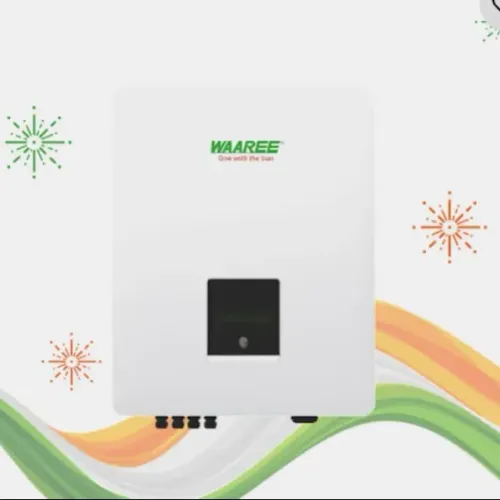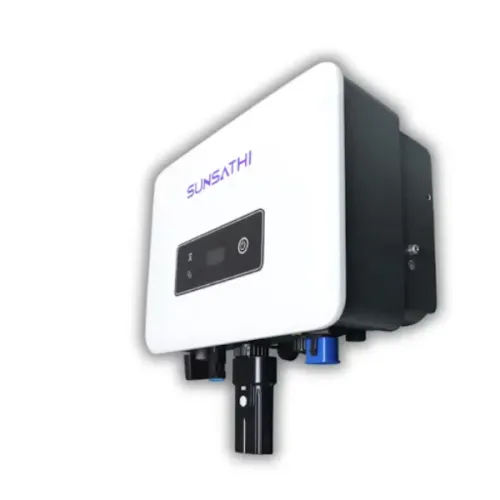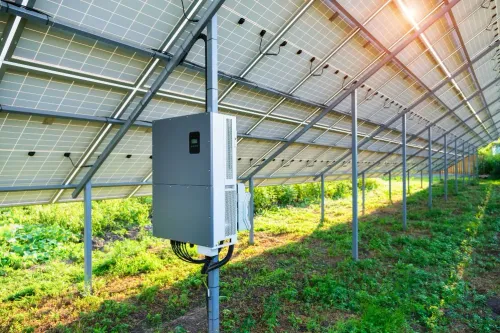
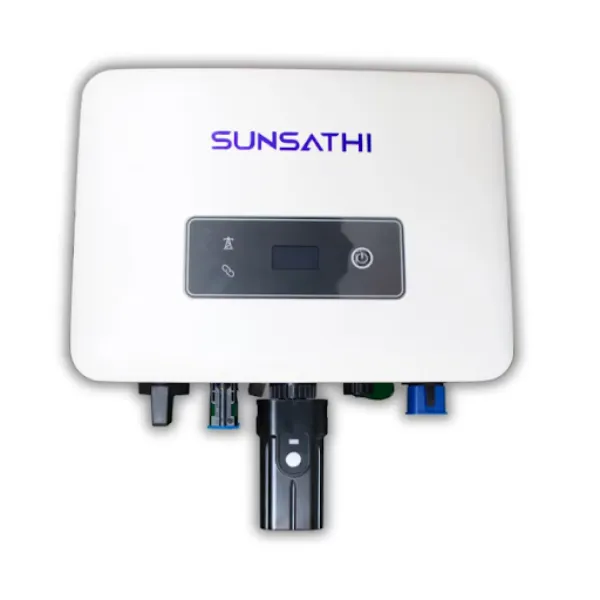
A Three Phase Grid Tie Inverter is commonly considered for larger solar installations connected to three-phase electrical infrastructure. Commercial buildings, industrial premises, institutions, warehouses, plus other properties with substantial electricity requirements may use this type of inverter as part of an on-grid solar system.
Before selecting one, it is important to understand how three-phase grid-connected solar works plus which technical factors affect equipment suitability.
How Three-Phase Grid-Tied Solar Works
Solar modules generate DC electricity when exposed to sunlight. The inverter converts this electricity into AC power suitable for the connected three-phase electrical system.
A grid-tied installation operates in coordination with the utility supply. System configuration, metering, export arrangements, plus applicable approvals depend on local regulations plus the specific project.
Unlike a standalone backup solution, a conventional grid-tied inverter is designed around grid-connected operation. Buyers should therefore clearly define whether their requirement is grid export, daytime consumption reduction, backup capability, or a combination requiring a different system architecture.
Where Three-Phase Inverters Are Commonly Used
Typical applications can include:
- Manufacturing units
- Warehouses
- Commercial buildings
- Educational facilities
- Hospitals
- Hotels
- Large offices
- Workshops
- Institutional properties
Properties in Nagpur with significant daytime loads may explore rooftop solar as one method of reducing dependence on grid-supplied electricity during solar-generation hours.
Actual savings depend on consumption patterns, system size, generation, tariffs, applicable policies, plus other project-specific factors.
Examine the Input Specifications
A three-phase inverter should be matched correctly to the solar array.
Important input specifications include maximum DC voltage, MPPT operating range, maximum input current, number of MPPT trackers, plus supported string configuration.
Modern high-power solar modules can have electrical characteristics that need careful matching with inverter input limits. Selecting an inverter only according to its AC power rating is therefore insufficient.
Consider Roof Layout
Large rooftops are not always electrically simple.
Different sections may face different directions or experience varying shading. Multiple MPPT trackers can provide greater design flexibility when separate solar-array sections operate under different conditions.
A site survey can identify roof orientation, obstructions, usable area, structural considerations, cable routes, plus equipment placement before system components are finalized.
Evaluate Monitoring Features
For commercial plus industrial users, monitoring can be particularly valuable.
Businesses may want visibility into:
- Daily generation
- Monthly production
- Inverter operating status
- Historical trends
- Fault alerts
- System availability
This information supports routine performance review plus maintenance planning.
Check Grid Compatibility
Grid-connected inverters must operate within defined electrical parameters. Voltage, frequency, protection settings, synchronization requirements, plus applicable grid standards should be considered during system design.
Electrical professionals should assess the existing distribution system before installation, particularly for higher-capacity commercial projects.
Solar Trees supplies solar equipment for different project capacities, including solutions suited to commercial plus industrial applications. Product selection can be based on the site's electrical infrastructure, proposed module capacity, installation environment, plus project objectives.
Plan for Long-Term Operation
A solar project may operate for many years, so inverter selection should include more than immediate availability.
Warranty conditions, manufacturer support, service accessibility, replacement planning, installation quality, ventilation, plus monitoring capability all contribute to the ownership experience.
A Three Phase Grid Tie Inverter can be an appropriate solution where the solar system capacity plus electrical infrastructure justify three-phase operation. Accurate load assessment, array design, equipment compatibility, plus professional installation remain essential for creating a dependable grid-connected solar system.
Keywords