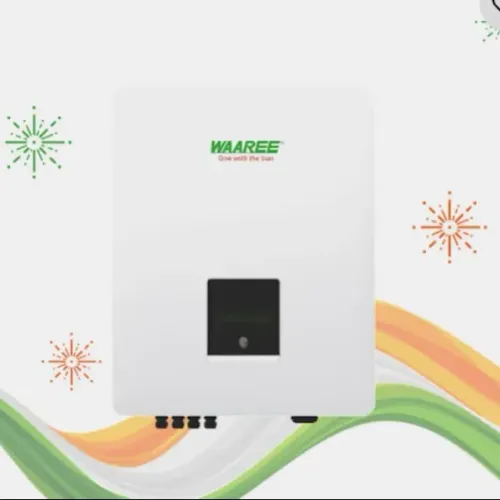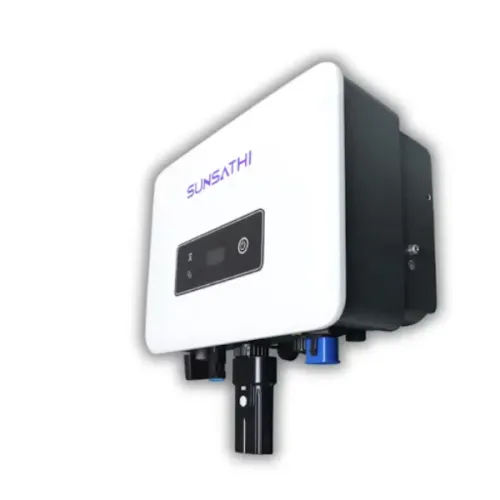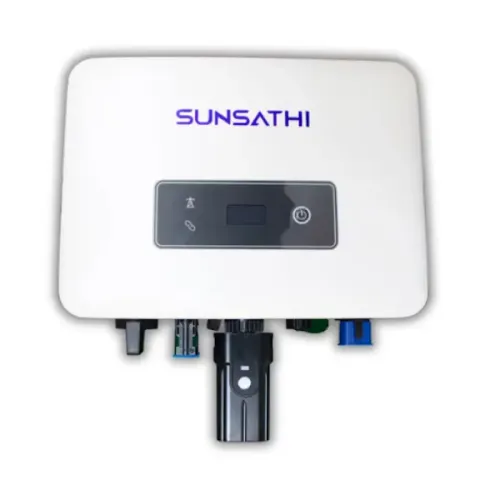
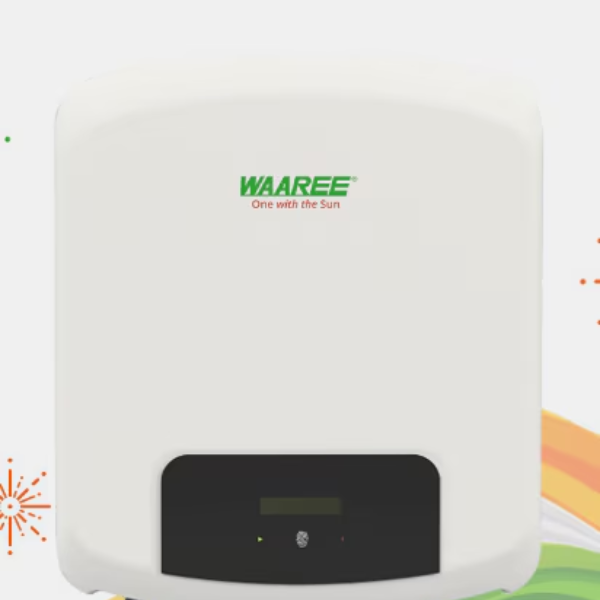
A 4.5kW Single Phase Solar On Grid Inverter may suit selected residential plus small commercial rooftop projects where the electrical connection, proposed solar capacity, plus site conditions support this configuration.
Before purchasing the inverter, property owners should determine whether the site is genuinely ready for the proposed system. This avoids choosing equipment first, then trying to redesign the project around it later.
Check Your Existing Connection
The first step is to understand the property's electrical infrastructure.
Confirm the connection type, sanctioned load, distribution arrangement, plus applicable requirements for the proposed grid-connected solar capacity.
Electrical documentation should be reviewed where necessary. A qualified solar professional can then determine whether a single-phase 4.5kW configuration is technically suitable.
Assess the Rooftop
The roof must have enough usable area for the proposed solar modules.
Usable area is different from total roof area. Space may be reduced by:
- Water tanks
- Staircases
- Parapet shadows
- Nearby buildings
- Trees
- Antennas
- Service pathways
- Other rooftop equipment
A site survey helps determine realistic module placement.
Nagpur properties can also experience significant dust exposure, so safe access for module cleaning should be considered when planning the layout.
Review Electricity Consumption
Electricity bills help establish whether the proposed system capacity makes sense.
Look at consumption across multiple months rather than relying on a single bill. Seasonal use of air-conditioning, pumps, home-office equipment, plus other appliances can create substantial variation.
For small commercial establishments, operating hours are equally important because daytime consumption can influence how generated solar electricity is utilized.
Confirm Module Compatibility
The inverter cannot be evaluated independently from the solar panels.
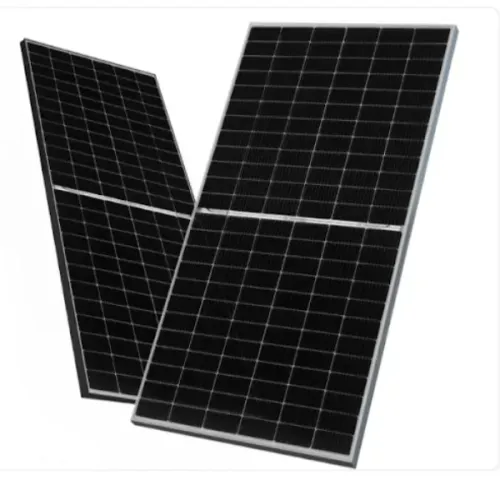
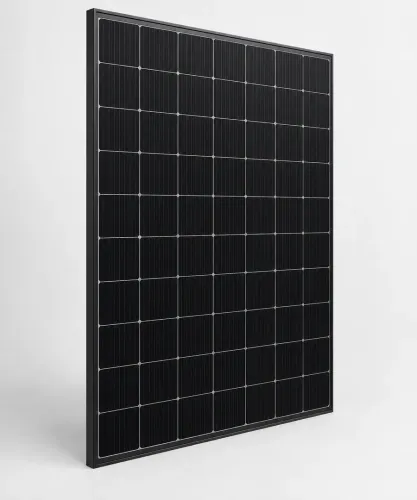
The proposed array must operate within the inverter's DC input limits. Designers should check module voltage, current, number of modules per string, MPPT range, plus maximum permitted input values.
If panels are later changed to a different wattage or model, string calculations may need to be reviewed again.
Ask About Monitoring
Monitoring can help property owners understand whether the system is generating as expected.
Depending on the inverter model, users may be able to view daily generation, historical output, system status, plus selected fault information.
Ask how monitoring works, what connectivity it requires, plus whether the platform is accessible through a mobile application or web interface where applicable.
Inspect the Proposed Installation Location
An inverter should not simply be mounted wherever empty wall space is available.
Its location should follow manufacturer requirements for ventilation, environmental protection, clearance, plus service access.
The installer should also plan cable routing, AC protection, DC protection, earthing, plus related electrical components.
Verify Product Support Before Buying
Warranty plus after-sales support can become important if an inverter develops a fault during its service life.
Solar Trees supplies solar inverter solutions for customers considering rooftop renewable energy systems. Before a 4.5kW product is finalized, the provider can help evaluate whether its specifications correspond with the proposed solar array plus electrical setup.
A 4.5kW Single Phase Solar On Grid Inverter should be purchased after confirming site readiness rather than treating the capacity label as the only selection criterion. Roof suitability, electricity consumption, grid connection, panel compatibility, protection design, monitoring, plus warranty support together determine whether the inverter fits the project.
Keywords