

Installing a solar panel system is one of the most practical ways to reduce electricity costs while contributing to a cleaner environment. With rising power consumption and increasing awareness about renewable energy, more homeowners, commercial establishments, and industries in Nagpur are exploring solar energy as a long-term investment. However, choosing the right solar panel is not as simple as selecting the highest-capacity option. Several factors influence performance, durability, and return on investment.
Understanding how different solar panels work and what suits your property can help you make an informed decision.
Why Solar Panels Are Becoming a Popular Choice
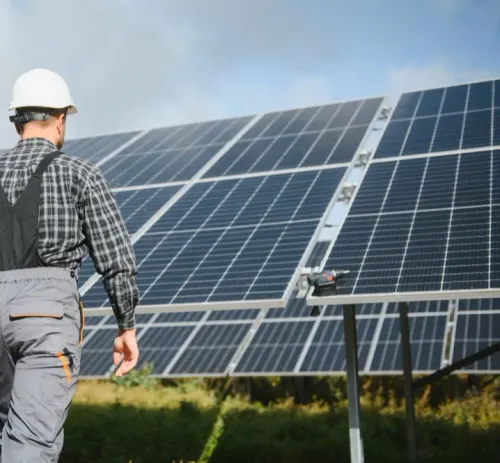
Solar panels convert sunlight into electricity using photovoltaic (PV) cells. The electricity generated can be used to power appliances, lighting, machinery, and other electrical systems. Any surplus electricity produced by an on-grid system may be supplied back to the utility grid, depending on local regulations and net metering policies.
In regions like Nagpur, where sunlight is available for most of the year, solar installations can provide consistent energy generation, making them an attractive option for both residential and commercial users.
Factors to Consider Before Selecting a Solar Panel
Every property has different energy requirements. Before investing in a system, evaluate the following factors:
- Daily electricity consumption
- Available rooftop or installation area
- Roof orientation and shading
- Structural strength of the building
- Budget and long-term energy goals
- Future expansion requirements
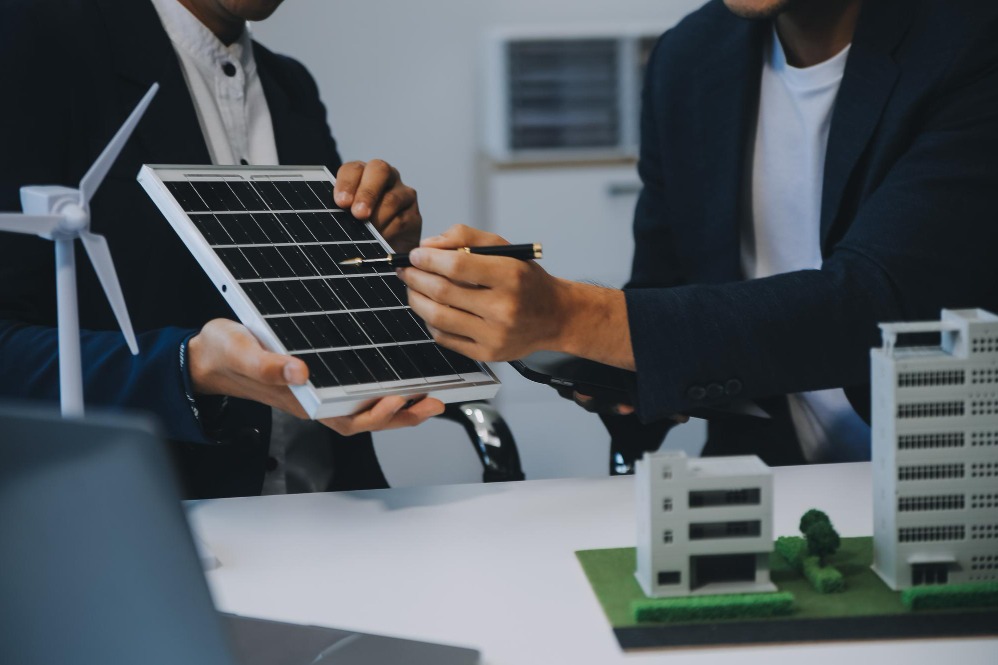
A professional site assessment helps determine the appropriate system size and panel configuration.
Understanding Different Solar Panel Technologies
Today's market offers several solar panel technologies, each designed to meet different performance and budget expectations.
Monocrystalline Panels
These panels are known for:
- Higher efficiency
- Better performance in limited roof space
- Longer operational life
- Attractive black appearance
They are commonly selected for residential properties where rooftop space is limited but energy demand is significant.
Polycrystalline Panels
Polycrystalline panels remain a popular option because they offer:
- Competitive pricing
- Reliable energy generation
- Good performance for larger rooftops
- Suitable solutions for budget-conscious installations
Many educational institutions and commercial buildings prefer this option when sufficient installation space is available.
Advanced High-Efficiency Technologies
New-generation technologies such as TOPCon and Mono PERC continue to improve energy production by reducing electrical losses and increasing conversion efficiency. These technologies are increasingly being adopted for projects seeking higher long-term performance.
Choosing the Right Capacity
The number of solar panels required depends on electricity usage rather than property size alone.
For example:
- Small homes may require a modest rooftop installation.
- Medium-sized residences generally need larger systems to support daily appliances.
- Commercial buildings often require customised layouts based on office equipment and operating hours.
- Industrial facilities usually need higher-capacity installations designed around machinery and production schedules.
An accurate energy assessment ensures the system is neither oversized nor insufficient.
Benefits Beyond Electricity Savings
Installing solar panels offers advantages that extend beyond reducing monthly power bills.
Some notable benefits include:
- Lower dependence on conventional electricity
- Reduced carbon emissions
- Minimal maintenance requirements
- Long service life
- Improved property value
- Greater protection against future electricity tariff increases
These benefits make solar energy a practical investment for both residential and commercial property owners.
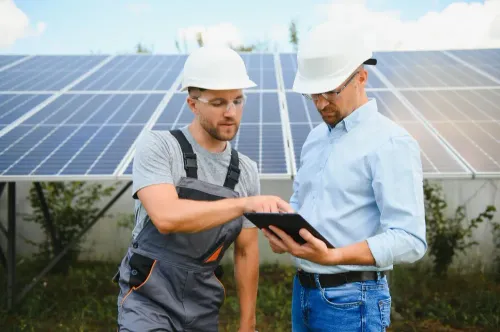
Why Installation Quality Matters
Even the highest-quality solar panel cannot deliver optimal performance if installation is not carried out correctly.
Professional installation involves:
- Proper structural assessment
- Accurate panel positioning
- Safe electrical connections
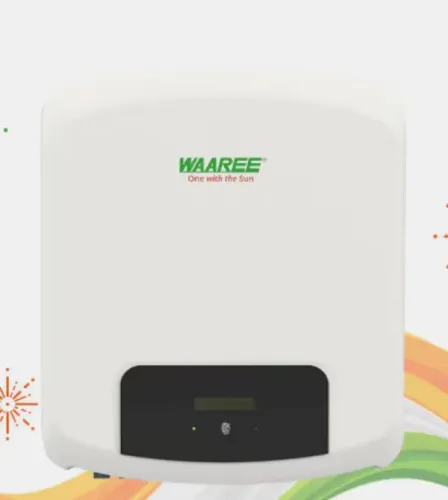
- Appropriate inverter selection
- Compliance with local electrical standards
- Performance testing before commissioning
Attention to these details helps maximise energy generation throughout the system's lifespan.
Solar Energy in the Nagpur Climate
Nagpur experiences abundant sunshine for much of the year, making it one of the favourable locations in Maharashtra for rooftop solar installations. While seasonal weather variations can influence daily energy production, modern solar panels are designed to perform efficiently under varying climatic conditions.
Routine cleaning and periodic inspections help maintain consistent output, particularly during dusty summer months and after the monsoon season.
Working with an Experienced Solar Solutions Provider
Selecting quality equipment is only part of a successful solar project. Equally important is choosing a provider that understands local conditions, energy requirements, and system design principles.
Companies such as Solar Trees assist homeowners, businesses, institutions, and industrial facilities by recommending solar solutions suited to individual energy needs. A reliable provider focuses on proper system planning, quality components, and professional installation rather than simply supplying equipment.
Investing in the right solar panel system today can deliver dependable energy generation, lower operating costs, and long-term value for years to come.