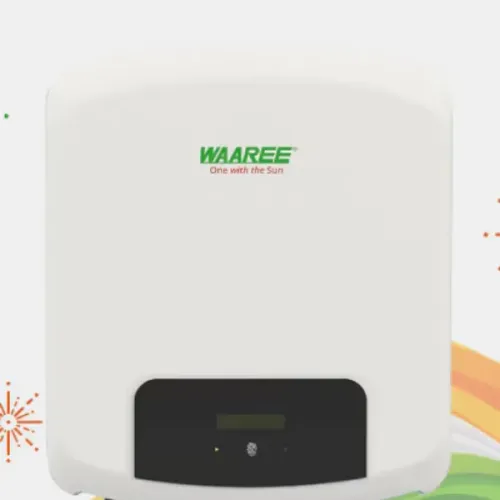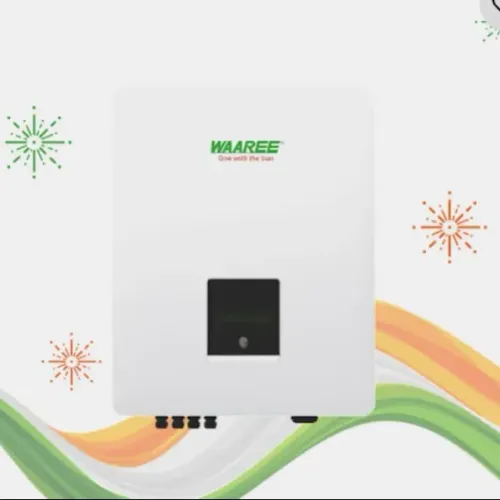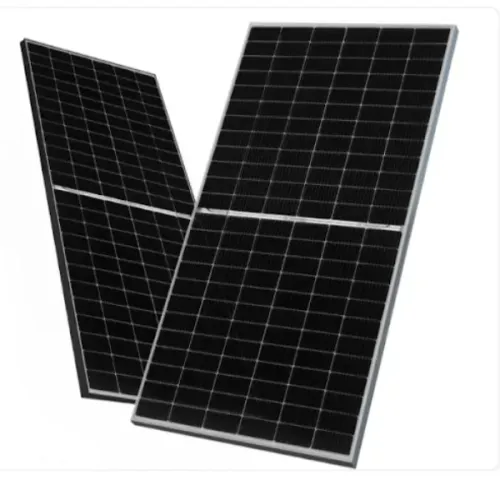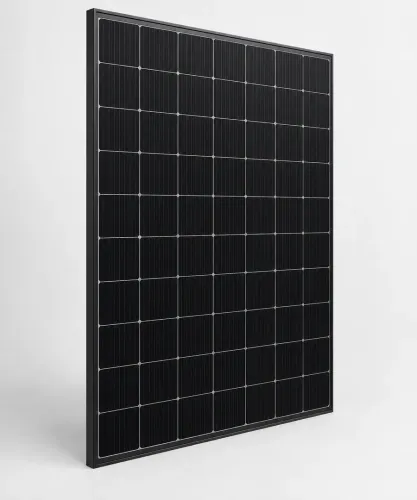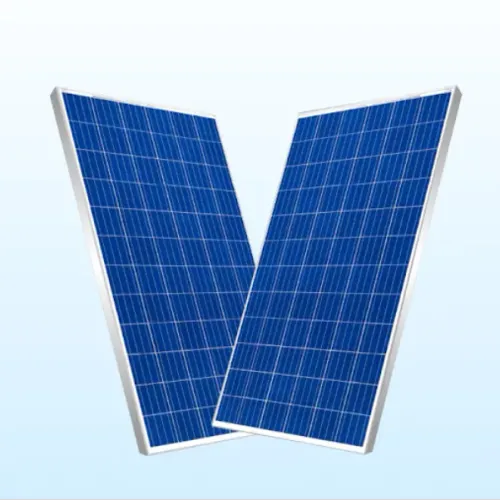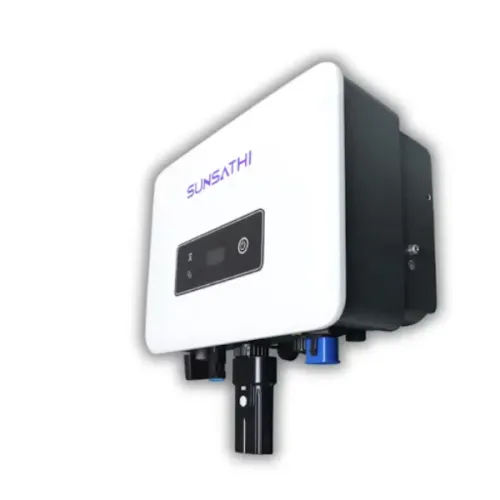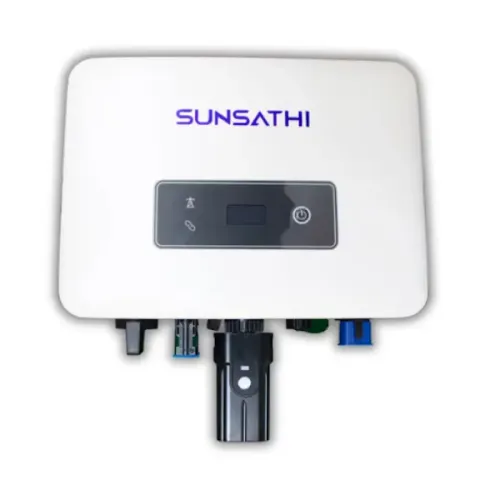
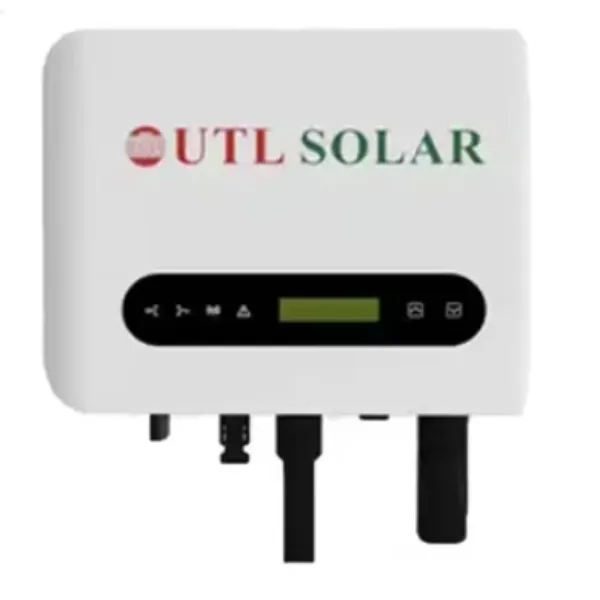
A solar inverter is one of the most important components of any rooftop solar system. While solar panels generate electricity from sunlight, that electricity cannot be used directly by most household appliances or commercial equipment. The inverter converts the electricity into a usable form, allowing homes, businesses, and industries to safely power their daily operations.
Whether you are planning a residential rooftop installation or a large commercial solar project in Nagpur, understanding how a solar inverter works can help you make better decisions about your investment.
What Does a Solar Inverter Do?
Solar panels generate Direct Current (DC) electricity when exposed to sunlight. However, most electrical appliances, lighting systems, and machines operate on Alternating Current (AC).
A solar inverter performs the essential task of converting DC electricity into AC electricity so it can be used throughout the building. In modern systems, the inverter also helps monitor performance, improve safety, and optimise energy production.
Without an inverter, a solar panel system would not be able to supply usable electricity for everyday needs.
Why the Inverter Is the Brain of the System
While solar panels capture sunlight, the inverter manages how electricity flows through the entire system.
Modern solar inverters typically perform several important functions:
- Convert DC power into AC power
- Monitor electricity generation
- Track system performance
- Detect operational faults
- Provide safety protection during electrical issues
- Communicate with monitoring applications for real-time performance data
These features make the inverter one of the most valuable components in maintaining an efficient solar installation.
Different Types of Solar Inverters
The right inverter depends on the size of the property, energy consumption, and system configuration.
String Inverters
String inverters are among the most commonly used options for residential and commercial rooftop systems. Multiple solar panels are connected in a series, making installation relatively straightforward and cost-effective.
They are suitable for rooftops with minimal shading and consistent sunlight throughout the day.
Grid Tie Inverters
Grid tie inverters work with on-grid solar systems that remain connected to the electricity network. These systems allow users to consume solar power during the day while drawing electricity from the grid whenever required.
Subject to applicable policies and approvals, excess electricity generated may also be exported to the utility grid through net metering arrangements.
Hybrid Inverters
Hybrid inverters combine solar generation with battery storage. They allow users to store excess solar energy for use during power outages or periods of lower sunlight.
These systems are becoming increasingly popular for users seeking greater energy independence.
Choosing the Right Capacity
Selecting an inverter involves more than matching it to the solar panel capacity.
Several factors influence the correct choice:
- Daily electricity usage
- Total solar panel capacity
- Future expansion plans
- Roof design
- Number of electrical phases
- Grid connection type
A properly sized inverter ensures efficient energy conversion while supporting future system upgrades if required.
Features Worth Looking For
Today's solar inverters offer a range of intelligent features that improve system performance and simplify maintenance.
Many users prefer inverters with:
- High conversion efficiency
- Remote monitoring through mobile applications
- Automatic fault detection
- Weather-resistant construction
- Integrated safety protection
- Long warranty coverage
These features help improve reliability while making it easier to monitor energy production over time.
Common Signs an Inverter Needs Attention
Like any electrical equipment, a solar inverter should be inspected if it begins showing unusual behaviour.
Some common warning signs include:
- Frequent system shutdowns
- Error messages on the display
- Lower-than-expected electricity generation
- Flashing warning indicators
- Unusual operating noises
- Communication issues with monitoring software
Routine maintenance and timely servicing can prevent minor issues from affecting overall system performance.
Why Professional System Design Matters
The efficiency of a rooftop solar system depends on how well all components work together. Even a high-quality inverter may not perform as expected if the solar panels, wiring, mounting structure, or electrical design are not properly planned.
Professional system designers evaluate energy requirements, site conditions, and electrical infrastructure before recommending suitable equipment. This approach helps improve safety, reliability, and long-term energy production.
Solar Inverters for Properties in Nagpur
Nagpur's favourable solar conditions make rooftop systems a practical choice for homeowners, commercial establishments, educational institutions, hospitals, and industrial facilities across Maharashtra. Selecting an inverter that matches local weather conditions and electricity requirements helps ensure consistent performance throughout the year.
Businesses such as Solar Trees assist customers in selecting suitable solar inverters based on property type, energy usage, and future expansion plans. By combining quality equipment with proper installation practices, users can maximize the benefits of their rooftop solar investment while enjoying reliable and efficient renewable energy for many years.
Keywords