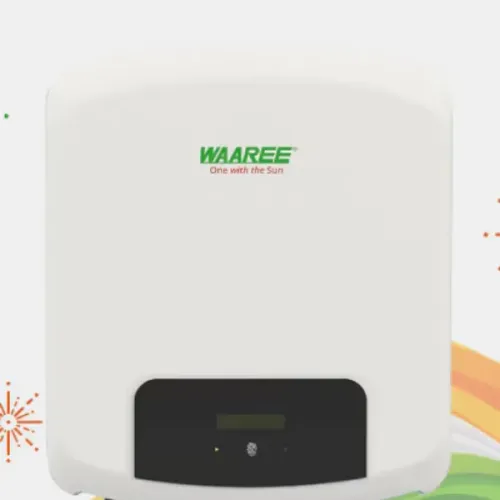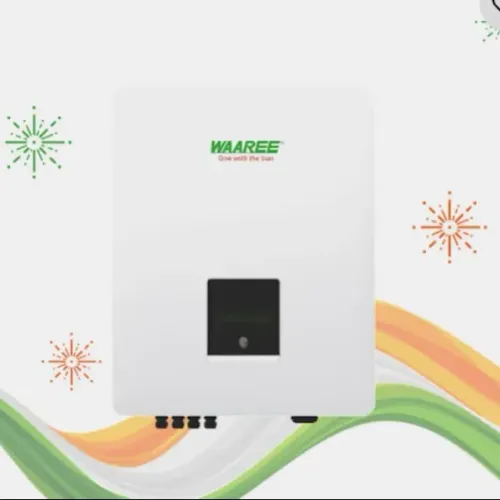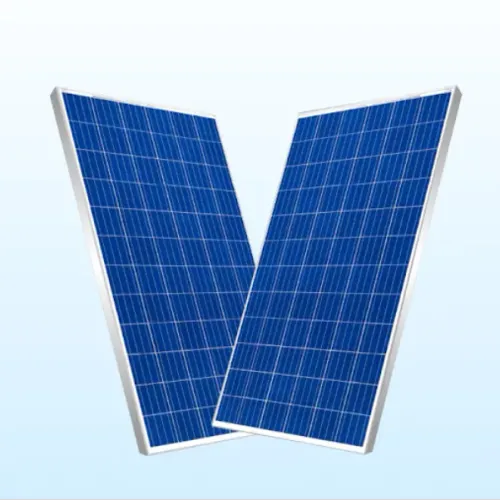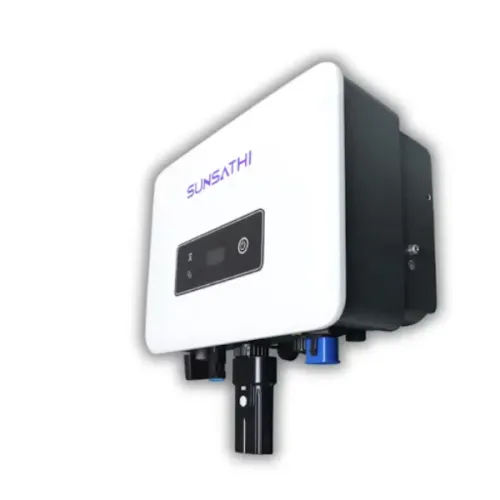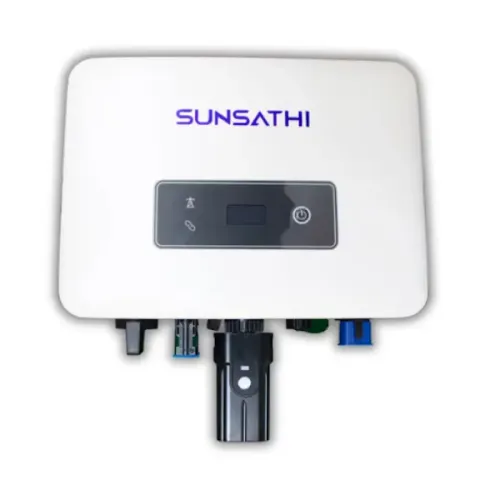
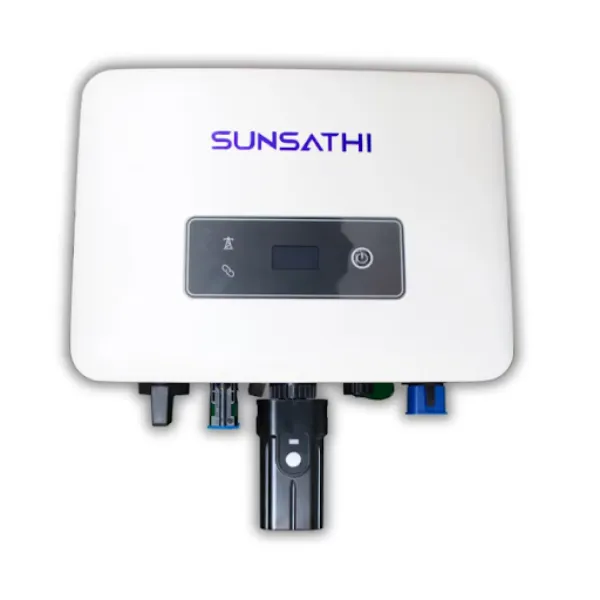
A Three Phase Grid Tie Inverter plays a vital role in commercial and industrial solar power systems. While solar panels capture sunlight and generate electricity, the inverter ensures that this energy is converted into usable power and synchronised with the electricity grid. Selecting the right inverter is essential for achieving reliable performance, maximising energy generation, and ensuring the long-term efficiency of a solar installation.
For businesses in Nagpur planning to invest in rooftop solar, understanding how a three-phase grid tie inverter works can make the decision-making process much easier.
What Is a Three Phase Grid Tie Inverter?
A Three Phase Grid Tie Inverter converts the Direct Current (DC) electricity produced by solar panels into Alternating Current (AC) electricity used by commercial buildings and industrial facilities. Unlike single-phase systems commonly used in homes, three-phase systems are designed to support larger electrical loads and distribute power evenly across three electrical phases.
Because the inverter remains connected to the utility grid, businesses can continue using grid electricity whenever solar generation is insufficient. In many cases, excess electricity generated during peak sunlight hours may be exported to the grid, subject to local net metering regulations and utility approvals.
Why Commercial Buildings Need Three-Phase Systems
Commercial and industrial facilities often operate equipment that demands a stable and balanced power supply. Offices, factories, hospitals, educational institutions, shopping centres, and warehouses typically use three-phase electrical connections because they can handle higher loads more efficiently.
Installing a compatible Three Phase Grid Tie Inverter offers several advantages:
- Supports larger solar installations
- Delivers balanced power distribution
- Improves overall system efficiency
- Handles higher electrical loads with ease
- Enables seamless integration with commercial electrical infrastructure
These features make three-phase inverters the preferred choice for medium and large-scale solar projects.
Key Factors to Consider Before Choosing an Inverter
Not every inverter is suitable for every project. Selecting the right model requires careful evaluation of both current and future energy requirements.
Important factors include:
System Capacity
The inverter should match the total capacity of the installed solar panels. An oversized or undersized inverter can reduce overall system performance.
Energy Consumption
Understanding daily electricity usage helps determine the appropriate inverter size and ensures the solar system delivers the expected savings.
Future Expansion
Businesses planning to expand operations should consider whether the selected inverter can accommodate additional solar panels in the future.
Efficiency Rating
Higher conversion efficiency allows more of the electricity generated by the solar panels to be converted into usable power.
Safety Features
Look for inverters equipped with:
- Over-voltage protection
- Over-current protection
- Anti-islanding protection
- Temperature monitoring
- Fault detection systems
These features contribute to safer and more reliable operation.
Smart Features That Add Value
Modern Three Phase Grid Tie Inverters offer advanced monitoring capabilities that simplify system management.
Many commercial users prefer inverters with:
- Mobile application monitoring
- Web-based performance dashboards
- Real-time electricity generation reports
- Automatic fault notifications
- Remote diagnostics
- Data logging for energy analysis
These tools allow facility managers to monitor system performance without manual inspections.
Common Mistakes to Avoid
Businesses sometimes focus only on price when selecting an inverter, overlooking other important considerations.
Avoid these common mistakes:
- Choosing an inverter without assessing future energy needs
- Ignoring compatibility with the solar panel system
- Purchasing equipment based solely on capacity
- Overlooking warranty and after-sales support
- Hiring inexperienced installers
A professionally designed system generally delivers better long-term performance and lower maintenance costs.
Why Professional Installation Matters
The efficiency of a Three Phase Grid Tie Inverter depends not only on its specifications but also on how it is installed. Proper electrical design, cable sizing, earthing, and commissioning all influence system reliability.
Experienced installers conduct site assessments, verify electrical infrastructure, and ensure the system complies with applicable standards before commissioning the project. This helps reduce downtime and supports consistent energy production.
Finding the Right Solution for Your Business
Nagpur's favourable solar conditions make commercial rooftop solar an increasingly practical investment for businesses seeking to reduce operating costs and improve energy efficiency. Choosing the right Three Phase Grid Tie Inverter is a key step towards achieving dependable long-term performance.
Companies such as Solar Trees assist commercial property owners, industries, institutions, and developers by evaluating energy requirements and recommending suitable inverter solutions that match the scale and objectives of each project. With proper equipment selection and expert installation, businesses can maximise the benefits of solar energy while building a more sustainable future.
Keywords