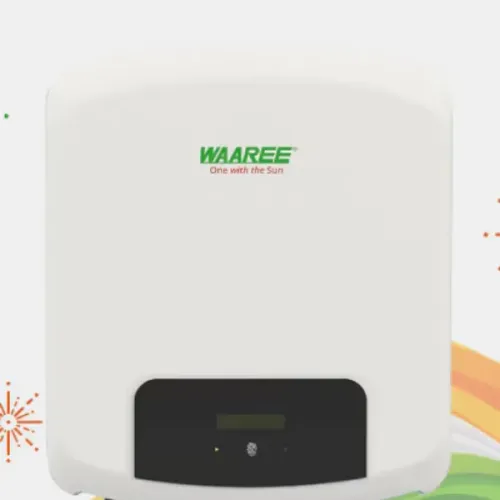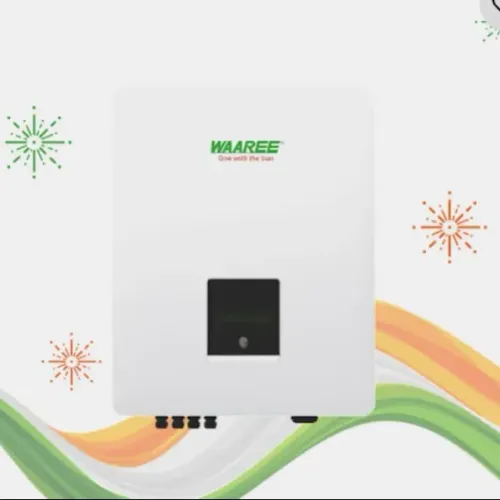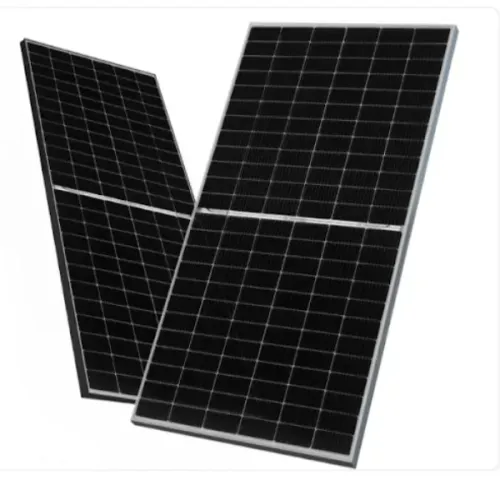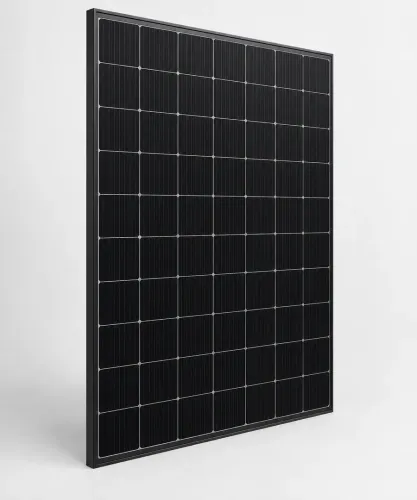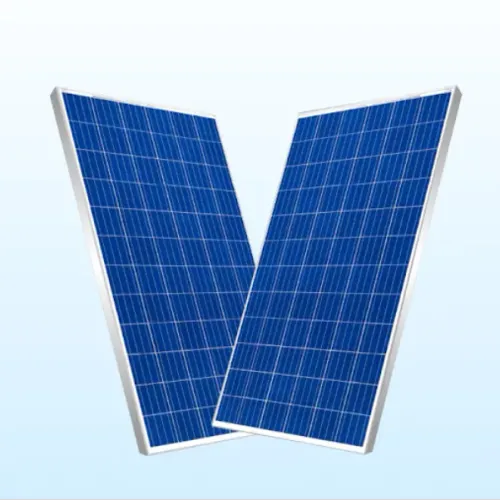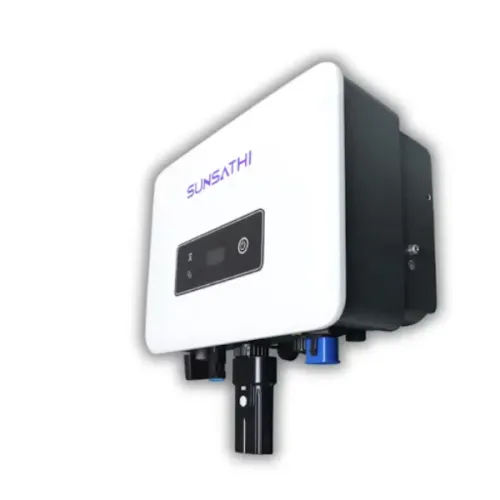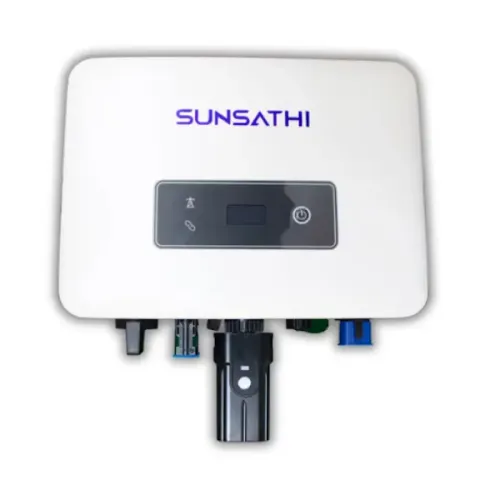
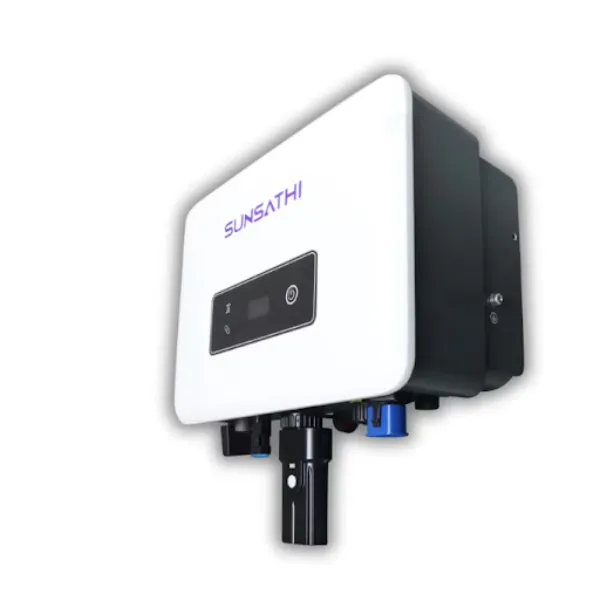
A Single Phase Grid Tie Inverter is one of the most important components of a residential rooftop solar system. While solar panels generate electricity from sunlight, the inverter converts that energy into a form that can safely power household appliances. Choosing the right inverter not only improves energy efficiency but also helps ensure reliable performance for many years.
With solar adoption increasing across Nagpur and other parts of Maharashtra, homeowners are becoming more aware that selecting the right inverter is just as important as choosing quality solar panels. Understanding the key features and considerations can help you make a confident and informed decision.
What Is a Single Phase Grid Tie Inverter?
A Single Phase Grid Tie Inverter is designed for homes that have a single-phase electricity connection. It converts the Direct Current (DC) produced by solar panels into Alternating Current (AC), which is used by household electrical systems.
Since it is connected to the utility grid, the system automatically uses solar energy during the day and draws electricity from the grid whenever solar production is insufficient. Depending on local electricity regulations and approved net metering policies, excess electricity generated during peak sunlight hours may also be exported to the grid.
Who Should Choose a Single Phase Grid Tie Inverter?
Single-phase grid tie inverters are suitable for most residential properties, including:
- Independent houses
- Villas
- Small residential buildings
- Bungalows
- Duplex homes
- Farmhouses with residential power connections
These inverters are designed to support everyday household electricity needs while helping reduce dependence on conventional power.
Benefits of Installing the Right Inverter
Choosing a quality Single Phase Grid Tie Inverter offers several long-term advantages.
Some of the key benefits include:
- Efficient conversion of solar energy
- Reduced monthly electricity bills
- Stable operation with rooftop solar systems
- Low maintenance requirements
- Automatic synchronisation with the electricity grid
- Reliable performance throughout the year
A properly selected inverter contributes significantly to the overall efficiency of the solar installation.
Factors to Consider Before Buying
Every home has different energy requirements, so selecting an inverter should involve more than simply comparing prices.
Electricity Consumption
Review your average monthly electricity usage to determine the appropriate system capacity.
Solar Panel Capacity
The inverter should be compatible with the total output of your solar panels to ensure efficient energy conversion.
Roof Conditions
Available rooftop space, panel orientation, and shading can influence system performance and should be evaluated during the planning stage.
Future Energy Needs
If you expect your electricity consumption to increase due to additional appliances or electric vehicle charging, choose an inverter that supports future system expansion where possible.
Warranty and Service Support
Reliable warranty coverage and accessible technical support provide greater confidence over the system's operational life.
Features Worth Looking For
Modern residential inverters include intelligent features that simplify monitoring and improve safety.
Look for models offering:
- High conversion efficiency
- Mobile app monitoring
- Real-time energy generation data
- Automatic fault detection
- Built-in safety protection
- Weather-resistant design
- Quiet operation
These features make it easier for homeowners to monitor their system and identify any performance issues early.
Common Buying Mistakes
Many homeowners unknowingly make decisions that affect the long-term performance of their solar system.
Some common mistakes include:
- Selecting an inverter based only on price
- Ignoring compatibility with the solar panel system
- Choosing incorrect system capacity
- Overlooking warranty terms
- Hiring installers without sufficient experience
A carefully planned installation helps avoid unnecessary maintenance and improves energy generation over the years.
Why Professional Installation Is Essential
The best inverter cannot deliver optimum performance if it is installed incorrectly. Proper cable sizing, electrical protection, earthing, inverter placement, and system testing all contribute to safe and efficient operation.
Professional installers also ensure that the inverter complies with applicable electrical standards and integrates seamlessly with the rooftop solar system.
Choosing the Right Solar Partner
Homeowners in Nagpur are increasingly investing in rooftop solar to reduce electricity expenses and support sustainable living. Selecting the right Single Phase Grid Tie Inverter is a key step in building a dependable and efficient solar system.
Experienced providers such as Solar Trees help homeowners evaluate their electricity usage, rooftop conditions, and future energy requirements before recommending suitable inverter solutions. With quality equipment, professional installation, and proper system design, a residential solar system can deliver consistent performance, lower energy costs, and long-term value for years to come.
Keywords