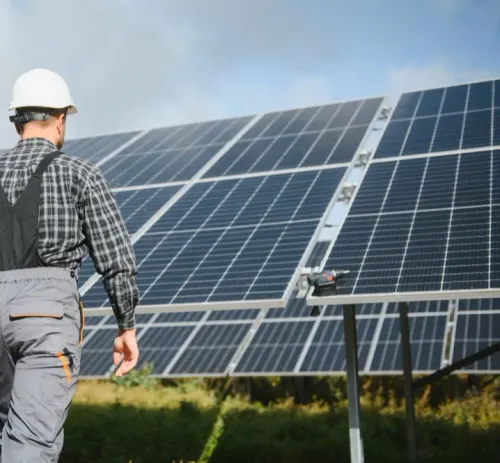


A Solar Panel converts sunlight into electricity that can be used as part of a solar power system. For homeowners, commercial properties, industrial facilities, contractors, plus other electricity users, selecting the right panel is one of the most important decisions when planning a solar installation.
Solar panels may look similar from the outside, but their technology, efficiency, power rating, dimensions, temperature performance, warranty terms, plus long-term output can differ significantly. Understanding these factors makes it easier to choose a system suited to actual energy requirements.
Start With Your Electricity Requirement
Solar planning should begin with electricity consumption rather than simply deciding how many panels to purchase.
Review recent electricity bills to understand monthly consumption patterns. A property with high daytime electricity usage may have different solar requirements from a home where most electricity is consumed after sunset.
Important factors include:
- Average monthly electricity consumption
- Available rooftop space
- Roof orientation
- Shading from nearby structures
- Desired solar system capacity
- Existing electrical connection
- Future electricity requirements
Customers in Nagpur, Maharashtra, should also consider local site conditions because rooftop exposure, surrounding buildings, dust accumulation, plus seasonal weather can influence system performance.
Understand Panel Efficiency
Efficiency describes how effectively a solar panel converts available sunlight into electricity.
Higher-efficiency panels can be useful where rooftop space is limited because more generating capacity may be installed within a smaller area. However, efficiency should not be evaluated in isolation.
Panel wattage, technology, manufacturer specifications, degradation characteristics, warranty coverage, plus compatibility with the selected inverter also matter.
A properly planned system balances these factors instead of choosing a product based only on the highest efficiency figure.
Compare Solar Panel Technologies
Several solar technologies are available for different applications.
Polycrystalline panels have traditionally been used for residential, commercial, plus general-purpose installations. Monocrystalline panels typically provide higher efficiency within a compact area. Newer technologies such as TOPCon are designed to improve cell performance further.
The appropriate choice depends on project requirements.
For example, a large industrial roof may provide enough area to make panel dimensions less restrictive. A smaller residential rooftop may benefit from higher-output modules that help maximize capacity within limited space.
Check the Product Specifications
Before purchasing panels, review the technical datasheet carefully.
Look at:
- Rated maximum power
- Module efficiency
- Voltage specifications
- Current specifications
- Temperature coefficient
- Module dimensions
- Product warranty
- Performance warranty
- Mechanical load ratings
These specifications also help determine compatibility with inverters, mounting structures, plus system design.
Do Not Ignore Installation Conditions
Even a well-specified panel cannot deliver its intended performance if the installation is poorly planned.
Panels should receive suitable sunlight exposure with unnecessary shading minimized. Mounting structures need to provide appropriate mechanical support. Electrical connections, cables, earthing, protection equipment, plus inverter selection should form part of coordinated system planning.
Regular cleaning may also be important in dusty environments because accumulated dirt can reduce the amount of sunlight reaching the module surface.
Choose Based on the Complete System
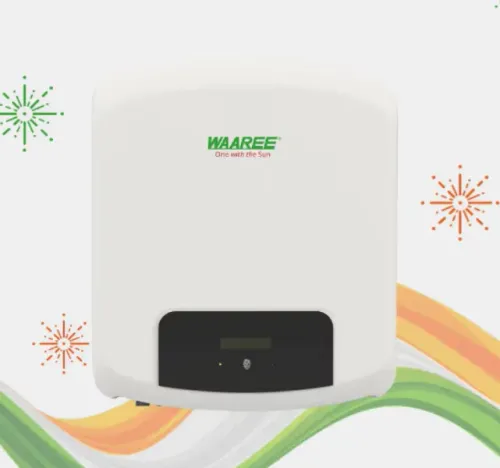
A solar panel is one component of a larger energy system. Buying panels without considering inverter sizing, electrical design, mounting requirements, rooftop conditions, plus expected electricity generation can lead to mismatched equipment.
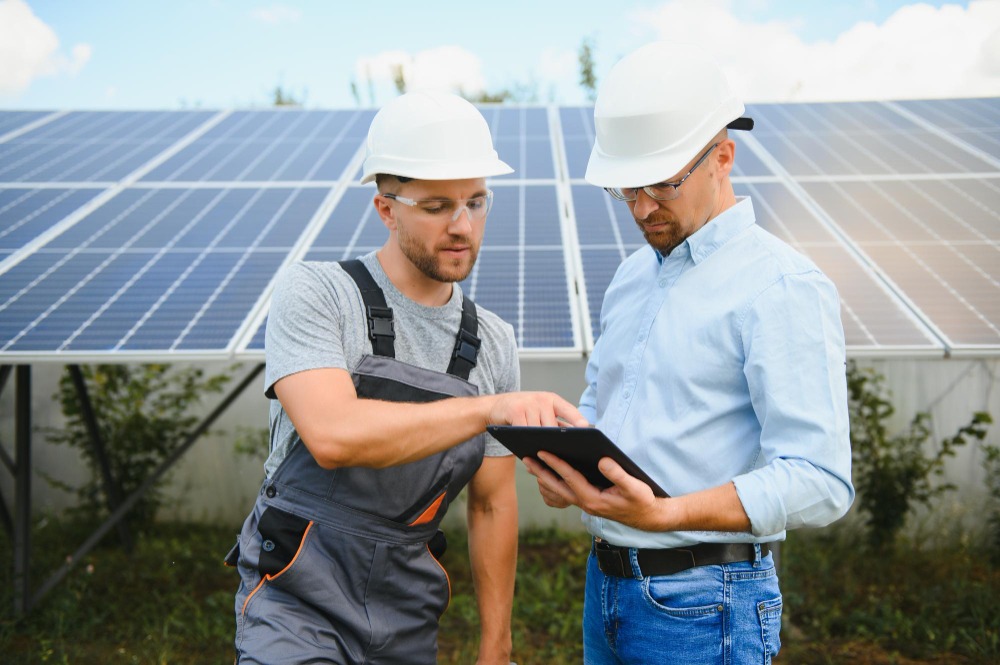
Solar Trees supplies solar energy products for residential, commercial, plus industrial requirements. Customers evaluating a project can use professional system guidance to understand which panel technology fits their available space, electrical load, plus intended application.
A suitable Solar Panel should ultimately be selected according to site conditions, system capacity, technical compatibility, plus expected long-term performance. Taking time to assess these factors before purchasing can create a stronger foundation for a dependable solar installation.